Arctic Blast Ingredients: The Drug Facts Label With Both Actives Explained
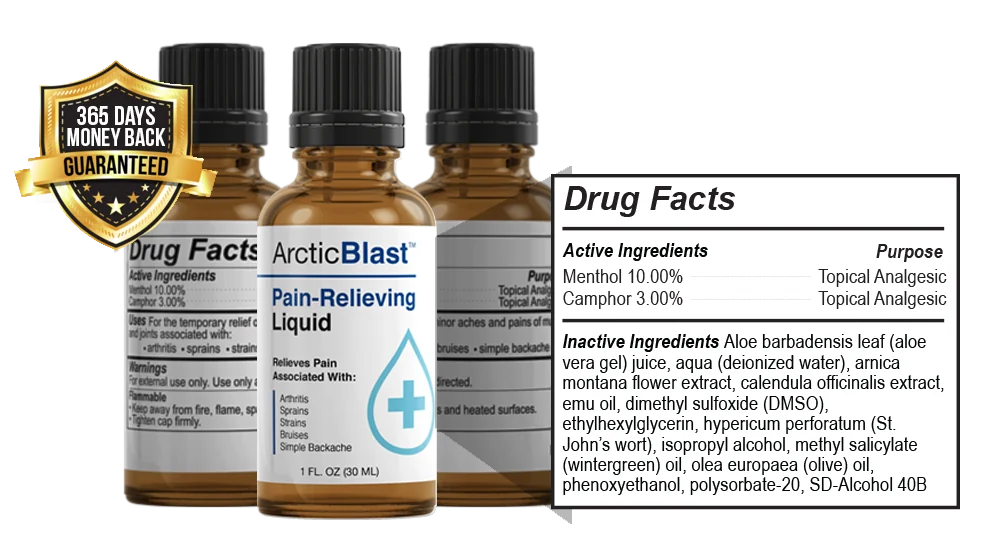
Arctic Blast ingredients from its Drug Facts label: menthol 10.00% and camphor 3.00% as actives, and 14 other ingredients listed without amounts.
- Published
- Updated
A topical pain-relieving liquid in a 1 fl oz (30 mL) dropper bottle, with a Drug Facts label that prints menthol 10.00% and camphor 3.00% as the active ingredients. A 365-day money-back guarantee applies.
- From $39/bottle
- 365-day refund
- Topical Pain Relief
Our editorial score: 4.2/5 (ours, not a customer rating) How we score
Check the price on the official store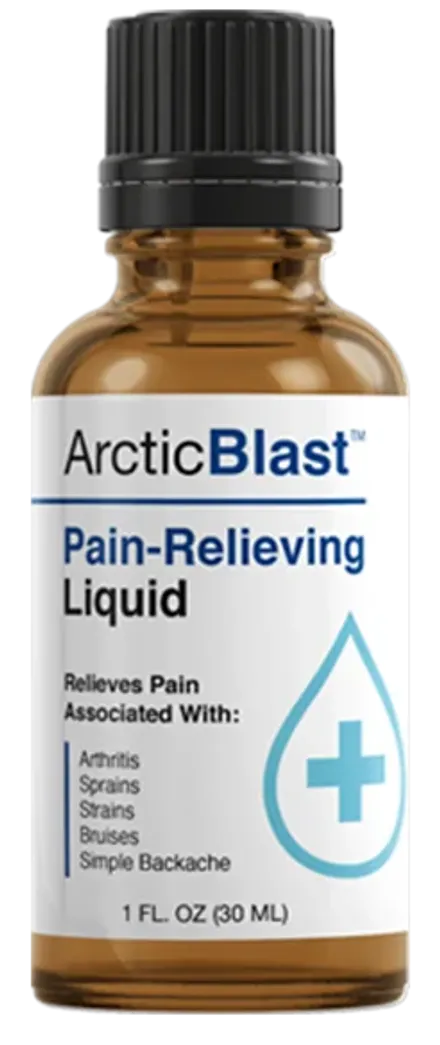
At a glance
- Refund window
- 365 days
- 365 days from the date of purchase: contact the seller's support for the return steps; the seller accepts used bottles, and its pages do not say who pays return postage
- Lowest per bottle
- $39
- Category
- Topical Pain Relief
- Our score
- 4.2 / 5
- editorial, not a customer rating
Two lines on the Arctic Blast label carry percentages: menthol and camphor. Fourteen more are printed without amounts. This page takes both groups in turn, explains each name in everyday language and points out the few entries that call for extra care before use.
The Arctic Blast active ingredients
| Printed amount | Active ingredient | Purpose on the label |
|---|---|---|
| 3.00% | Camphor | Topical Analgesic |
| 10.00% | Menthol | Topical Analgesic |
Camphor is a waxy compound with a sharp, aromatic smell. Menthol is the compound behind the cool sensation of mint. The label prints only these two strengths.
The 14 other ingredients, in label order
No amounts accompany this group, so the list cannot be ranked by strength. Each entry below says what kind of ingredient it is, nothing more.
- Aloe barbadensis leaf (aloe vera gel) juice: the liquid expressed from aloe leaves
- Aqua (deionized water): de-ionised water that serves as the medium
- Arnica montana flower extract: a concentrate drawn from arnica blossoms
- Calendula officinalis extract: a concentrate taken from calendula blossoms
- Emu oil: fat from emus, processed into an oil
- Dimethyl sulfoxide (DMSO): a solvent. The label lists DMSO among the other ingredients; the seller describes it as the carrier.
- Ethylhexylglycerin: a booster for preservatives, common in personal-care products
- Hypericum perforatum (St. John’s wort): a plant extract, covered in the notes below
- Isopropyl alcohol: a solvent-grade alcohol
- Methyl salicylate (wintergreen) oil: oil from the wintergreen plant, part of the salicylate group
- Olea europaea (olive) oil: the familiar cooking oil, used here as an oily base
- Phenoxyethanol: a preservative
- Polysorbate-20: an agent that lets oil and water blend
- SD-Alcohol 40B: ethanol made unfit for drinking, a denatured alcohol
Each description says what the ingredient is, and nothing about what it does for you. We have added no effect the label leaves out.
Read the label, then decide
Check the full formula before you choose
The panel is printed on the bottle itself. Pick the package that fits your plans and keep your order confirmation.
Order with the label in viewHow to read this panel
A Drug Facts panel sets out the active ingredients first, with percentages and purpose, then lists the other ingredients. Here the actives carry numbers and the fourteen others carry none. The panel also states the net contents, 1 fl oz (30 mL). The other ingredients appear above in the order printed, and we have not reordered them.
Measured against any marketing copy, the printed label is the firmer document. Marketing adds adjectives; the label gives a name, a number or a purpose. Read the label first and the rest second.
Notes on a few ingredients
Wintergreen oil and salicylates. Because methyl salicylate is a salicylate, a known aspirin allergy, a salicylate sensitivity or a blood thinner in your routine are reasons to speak with a physician or pharmacist before trying the liquid.
St. John’s wort. The label’s hypericum perforatum has a documented history of interacting with several prescription drugs. Comparing it with your current medicine list is a quick task for a pharmacist.
DMSO. This solvent moves other substances through the skin, so keep the application site clean, stay off other creams and products, avoid the eyes and test a patch before a full application. The panel gives no DMSO percentage at all.
The alcohols. Isopropyl alcohol and SD-Alcohol 40B are what make the bottle flammable. Store it away from flames and sparks, and tighten the cap every time.
Questions for your pharmacist
Some questions are worth taking to a pharmacist before the first application, especially if you already take a medicine. Ask whether St. John’s wort or either alcohol conflicts with your current list. Ask whether the methyl salicylate matters given any past reaction to aspirin. And ask how the DMSO carrier should shape the way you use any other topical product, since the two should not be layered without advice.
What the list does not tell you
The panel gives percentages for two ingredients and nothing for the other fourteen. You cannot see how much of the formula each of those fourteen makes up, and the actives cannot be weighed against the rest from the label alone. If that gap matters to your decision, the seller’s support team can answer questions before you order.
If pregnancy, nursing, a prescription or a long-standing condition applies to you, talk with your physician before the first use, and leave prescribed medicines in place. The safety guide gathers every caution in one place.
Checking your bottle against this page
Hold the bottle beside this page and find the two active lines first, then check the fourteen other names one at a time. If any name on your bottle differs from the list above, that is a question for support before you apply the liquid.
Common questions about the formula
Is the product a single ingredient? No. It pairs two labelled actives with fourteen other entries, and the panel lists all sixteen by name. Does the panel explain how the formula is put together? It does not describe manufacturing, so any question about process belongs with support. Is there a fixed DMSO strength? The panel gives none. Every answer in this section comes straight from the printed panel, and nothing beyond it has been inferred.
Ingredients in the wider picture
The main product page puts the label beside the price and the guarantee. The ingredients article covers the same panel in a longer format, and the side effects article explains which warnings deserve the closest reading.
Two actives, fourteen others
Get the bottle that matches the label you read
Six bottles at $39 each carry the lowest price per bottle, with free shipping shown and 3 bonus reports included.
Choose my Arctic Blast bottles1 bottle
about 1 month
$69per bottle
$69 total
- Free shipping
- Covered by the 365-day guarantee
3 bottles
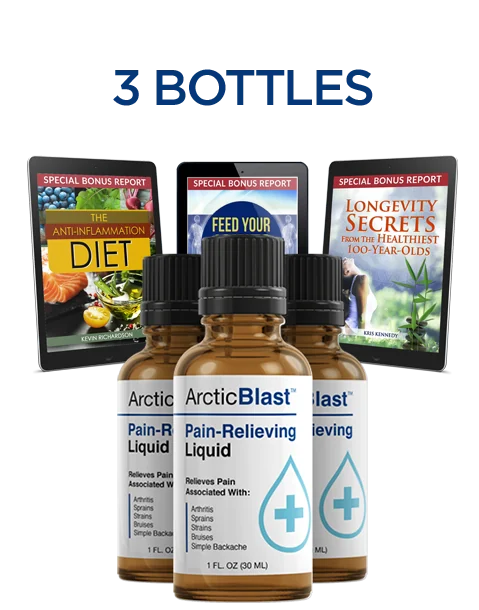
about 3 months
$49per bottle
$147 total
- Free shipping
- 3 free bonus reports
- Covered by the 365-day guarantee
6 bottlesBest value
about 6 months
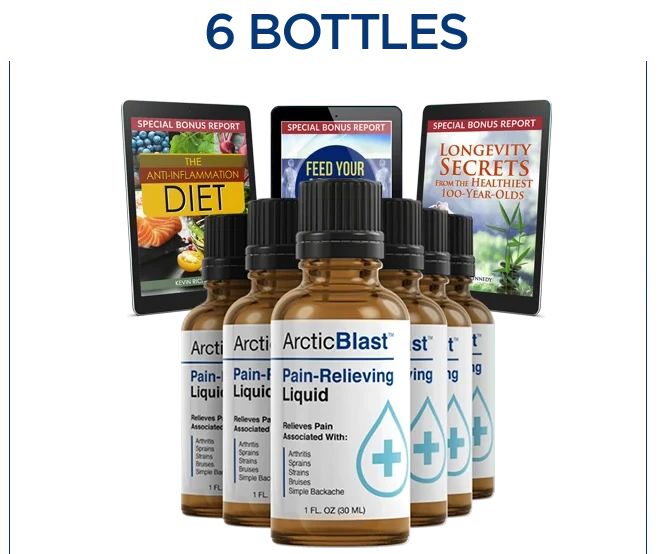
$39per bottle
$234 total
- Free shipping
- 3 free bonus reports
- Covered by the 365-day guarantee
Prices as listed on the seller's order page (checked November 17, 2026). Tax, shipping outside the US and the final total show at checkout.
Decided?
See the current Arctic Blast price and guarantee
$39 to $69 a bottle by package; the seller's order graphics show free shipping on all three packages and the checkout shows the final total. Refund window: 365 days from the date of purchase: contact the seller's support for the return steps; the seller accepts used bottles, and its pages do not say who pays return postage.
See the Arctic Blast price and packagesQuestions people ask
What are the active ingredients in Arctic Blast?
Menthol at 10.00% and camphor at 3.00%. The label gives each one the purpose Topical Analgesic, its category for a pain reliever applied to the skin.
Are the amounts of the other ingredients printed?
No. Fourteen other ingredients appear in order with no amounts, and we cannot supply figures the label leaves out.
Where does DMSO appear on the label?
Among the other ingredients, not as an active. The seller calls DMSO the carrier, and no DMSO percentage is printed.
What is methyl salicylate?
It is the wintergreen oil on the label, a salicylate. Anyone allergic to aspirin or to salicylates should ask a doctor or pharmacist before use.
Does the formula contain St. John's wort?
Yes, hypericum perforatum is listed among the other ingredients. Ask a pharmacist to check it against any other medicines you take.
Can I use it over other creams?
Our advice is no. Apply it to clean skin only, because DMSO is known to carry other substances through the skin.
Not medical advice. This page is general information and does not replace a consultation with a qualified healthcare professional who knows your history. Full disclaimer.
Written by
Strong Health Tips Editorial Team
We check every claim against the seller's own pages, terms and refund policy, and against published research, then write it up in plain English. Our methodology.