Gluco6 Ingredients Explained: Sukre, TeaCrine, Gymnema and the Label
Gluco6 ingredients explained: label doses for vitamin D3, B1 and chromium, the 525 mg seven-part blend and the soft role the seller gives each ingredient.
- Author
- Strong Health Tips Editorial Team
- Published
- Updated
- Reading time
- 7 min read
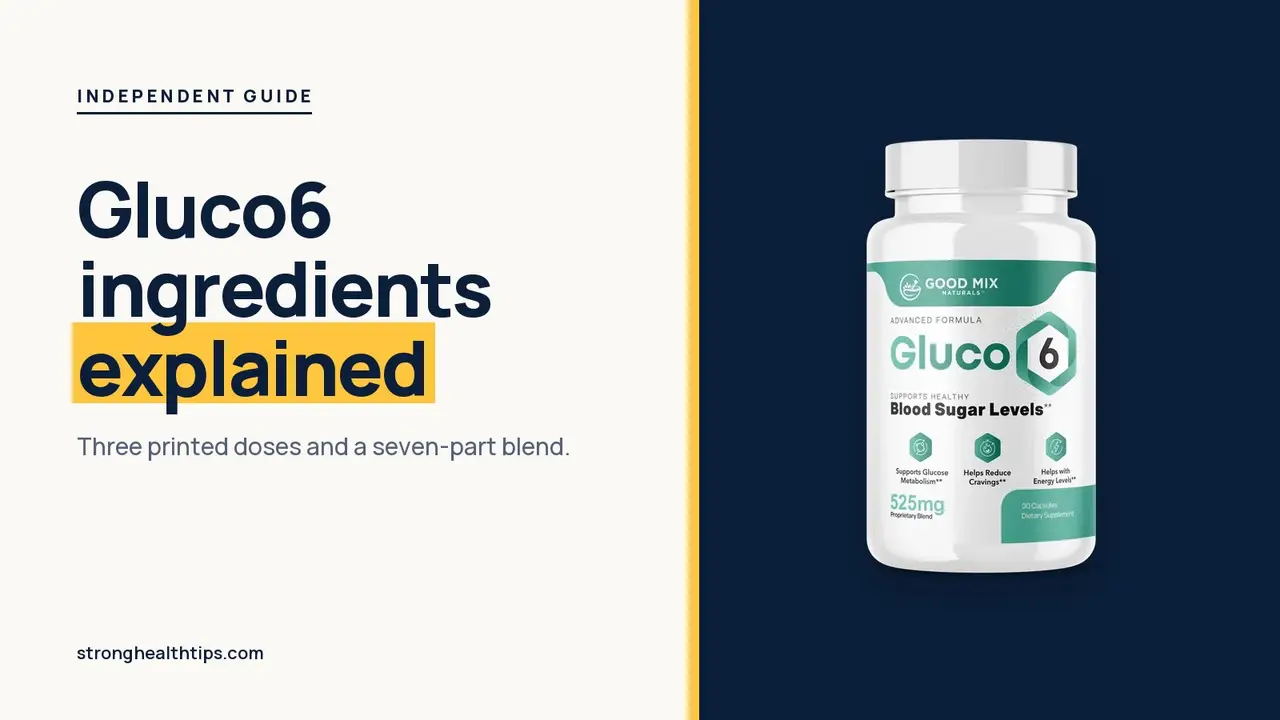
Reading a supplement label can feel like reading a menu in a language you only half speak, so here is the Gluco6 label translated. Everything below comes from the bottle’s Supplement Facts panel. For each item we pass on what the seller says it is there for, in the seller’s own terms and kept gentle, and we stop where the label stops: no invented amounts, no promises. Think of it as a tour with a guide who admits when the map runs out.
See the label yourself
Look at the bottle and sizes on the seller’s page.
Vegetable capsules, thirty to a bottle.
View the Gluco6 labelThe tour map
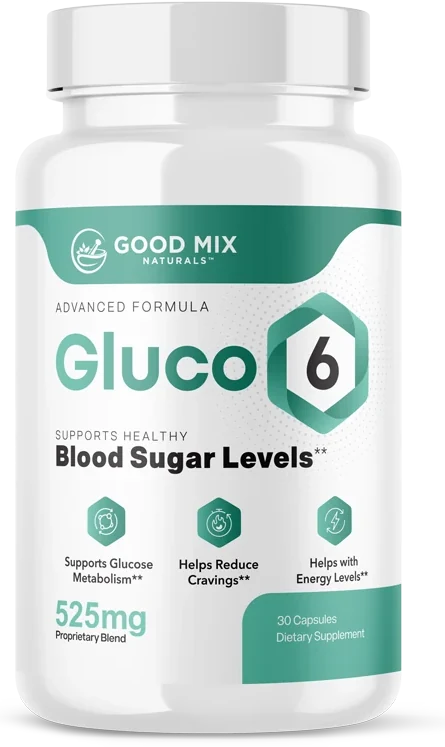
Gluco6 is a once-a-day vegetable capsule, and our Gluco6 overview shows the bottle and every size. According to the seller, the capsule is designed for weight management and to support healthy blood sugar levels already within the normal range. The panel behind that sentence has three stops with amounts and one stop with a single combined weight.
| Stop | What it holds |
|---|---|
| Vitamin D3 | 50 mcg |
| Vitamin B1 | 100 mg |
| Chromium | 1 mg |
| Proprietary blend | 525 mg, seven plant items |
The seven plant items are Sukre fiber, theobromine, green tea leaf extract, eleuthero root, theacrine, cassia cinnamon bark and gymnema leaf. The label notes that the green tea extract is standardized to 98% polyphenols and 65% EGCG. No weight is printed for any single blend item, and we will not invent one.
Stop one: Sukre
Sukre is the seller’s brand name for L-arabinose, a fiber that comes from plants. The seller calls it a healthy sugar, puts it at the center of the formula, and the label lists it first inside the blend. Most of the seller’s explanation, which concerns how the body handles sugar from meals, hangs on this one ingredient.
On the research. The seller points to three papers, and we read all three. Each is about L-arabinose, the ingredient. One is a 2000 study in people from Japan, looking at blood glucose after a food that contains sucrose. One is a 2015 study in rats. One is a 2011 Danish study of how L-arabinose affects an intestinal enzyme, done in the lab and in people. All three are ingredient research and not a study of Gluco6. We list them below for readers who like the original.
Stop two: TeaCrine
TeaCrine is a trademarked form of theacrine. The seller describes it as harnessing the power of Chinese tea. Theacrine sits in the same family as caffeine, which is why we place it among the caffeine-type plant compounds in the capsule. If caffeine bothers you, take note, and read our side effects guide.
Stop three: gymnema
Gymnema is a plant with a long record of traditional use. The seller links it with sugar cravings, which echoes the phrase on the bottle front, “Helps Reduce Cravings.” We stay exactly at that distance: a traditional plant the seller connects to cravings.
Stop four: chromium
A mineral, and one of the three items with a printed amount: 1 mg. The seller calls it essential for keeping glucose levels steady. Because the capsule already carries chromium, the seller’s FAQ suggests care with other products that are rich in it. A short look at the labels of whatever else you take covers that point.
A simple label
One capsule each morning, with a glass of water.
Sizes from $39 a bottle, postage covered on larger ones.
Get Gluco6 at the size priceStop five: cassia cinnamon
One of the six names the seller puts up front, tied by the seller to blood sugar support. It is the familiar spice in a concentrated plant form. Cassia cinnamon also appears on the list of plants commonly flagged for people who use blood sugar medicines, which is part of why the medicine note near the end matters.
Stop six: green tea
The extract is specified at 98% polyphenols and 65% EGCG, and the seller links green tea with healthy weight management. Green tea brings caffeine-type compounds of its own, so sensitive readers should ask their doctor first.
Stops seven to ten: the quieter names
Theobromine, a plant compound related to caffeine, and eleuthero root appear on the label but not among the seller’s six headliners, and the material we reviewed gives neither of them a role, so we give none. Vitamin D3 and vitamin B1 complete the panel. Their amounts are printed, which makes them the easiest items to compare against a multivitamin you already own.
Everything else in the capsule
The shell is hypromellose, the vegetable capsule. The remaining other ingredients are microcrystalline cellulose, silicon dioxide, magnesium stearate and stearic acid. The seller calls the product plant-based, vegetarian, soy-free, dairy-free and non-GMO, with badges for gluten, BPA, nuts, crustaceans and egg. For allergies, read the bottle and speak with your doctor.
Six headliners and four supporting names
It helps to hold the label in two groups. The seller’s page spotlights six: Sukre, TeaCrine, gymnema, chromium, cinnamon and green tea. The label adds four more that the page does not feature: vitamin D3, vitamin B1, theobromine and eleuthero root. Seen this way the picture stays simple. The headliners are what the seller talks about, the supporting names are what the capsule also holds, and nothing is hidden or stretched beyond the seller’s own soft descriptions.
Questions about the plants
“Are these familiar?” Green tea and cinnamon will be, to most people. Gymnema, eleuthero and Sukre are less so, which is why we explain them.
“Is one ingredient the main one?” The seller puts Sukre at the heart of the formula. The label lists the blend under a single total and does not rank the others.
“Does it have caffeine?” It has green tea leaf, theacrine and theobromine, caffeine-type plant compounds. We cannot state an amount since none is printed.
“Can it go with my multivitamin?” The seller says pairing with other supplements is safe, with care around formulas rich in chromium. Compare the vitamin and mineral lines on both labels first.
Clear label, clear plan
Choose the size that matches your 3 to 6 month idea.
From $39 a bottle, with two downloads on larger sizes.
Get the six-bottle sizeWhy the blend matters
The 525 mg blend is the biggest line on the label, yet no split is shown. That is why we suggest judging the formula by its ingredient list and by your own notes across 60 days. The full label in a different layout is in our ingredients list guide, and the seller’s own explanation is summed up on our ingredients page.
Safety and medicines
The bottle’s caution asks you to stay within the recommended dose, rules out anyone under 18, pregnant or nursing, and sends people who take medication or have a medical condition to a physician first. Anything your doctor has prescribed stays in place, and a quick conversation with them comes first, particularly for people who use diabetes medicines. The Gluco6 overview has the wider picture.
Our verdict on the formula
A clear list, three printed amounts, a seller story built around a single plant fiber and a supporting cast of familiar plants. Our editorial score for Gluco6 is 4.6 out of 5, our own opinion. Results differ from person to person, and the seller says most people begin to feel a difference after the first week and suggests steady use for 3 to 6 months.
Good to know
- The roles in this guide are the seller’s descriptions, not our claims.
- The research linked is on L-arabinose and is not a study of Gluco6.
- Individual results vary.
Try it with a safety net
Sixty days from purchase to see how you get on.
Refund is the price less shipping and handling, bottles returned.
Begin your sixty daysQuestions people ask
What is in Gluco6?
Vitamin D3, vitamin B1 and chromium, plus a 525 mg blend of Sukre fiber, theobromine, green tea leaf, eleuthero root, theacrine, cassia cinnamon bark and gymnema leaf.
What is Sukre?
It is the seller's brand name for L-arabinose, a plant fiber the seller describes as a healthy sugar and puts at the center of the formula.
What is TeaCrine?
A branded form of theacrine, a plant compound related to caffeine. The seller presents it as a way to harness the power of Chinese tea.
Does the label split the blend by ingredient?
No. Only the 525 mg total is printed, and we do not guess at the split.
Does Gluco6 contain caffeine-type compounds?
Yes: green tea leaf, theacrine and theobromine are all caffeine-type plant compounds. Anyone who reacts to caffeine should ask a doctor first.
Is there research on these ingredients?
The seller cites three papers about L-arabinose. They are ingredient research, not a study of the finished capsule.
Sources
- L-arabinose and blood glucose after sucrose-containing food in humans (Journal of Japanese Society of Nutrition and Food Science, 2000)
- L-arabinose in a high-carbohydrate, high-fat diet rat model (Hao and colleagues, Food and Nutrition Research, 2015)
- L-arabinose and intestinal sucrase activity, in vitro and in humans (Krog-Mikkelsen and colleagues, Am J Clin Nutr, 2011)
Not medical advice. This guide is general information and does not replace a consultation with a qualified healthcare professional who knows your history. Full disclaimer.
Written by
Strong Health Tips Editorial Team
We research, write and fact-check every guide against current guidance from major health bodies and peer-reviewed studies, then rewrite it in plain English. How we work.